
NEW DEVELOPMENT: A Self-Cleaning Vacuum Furnace
Introduction
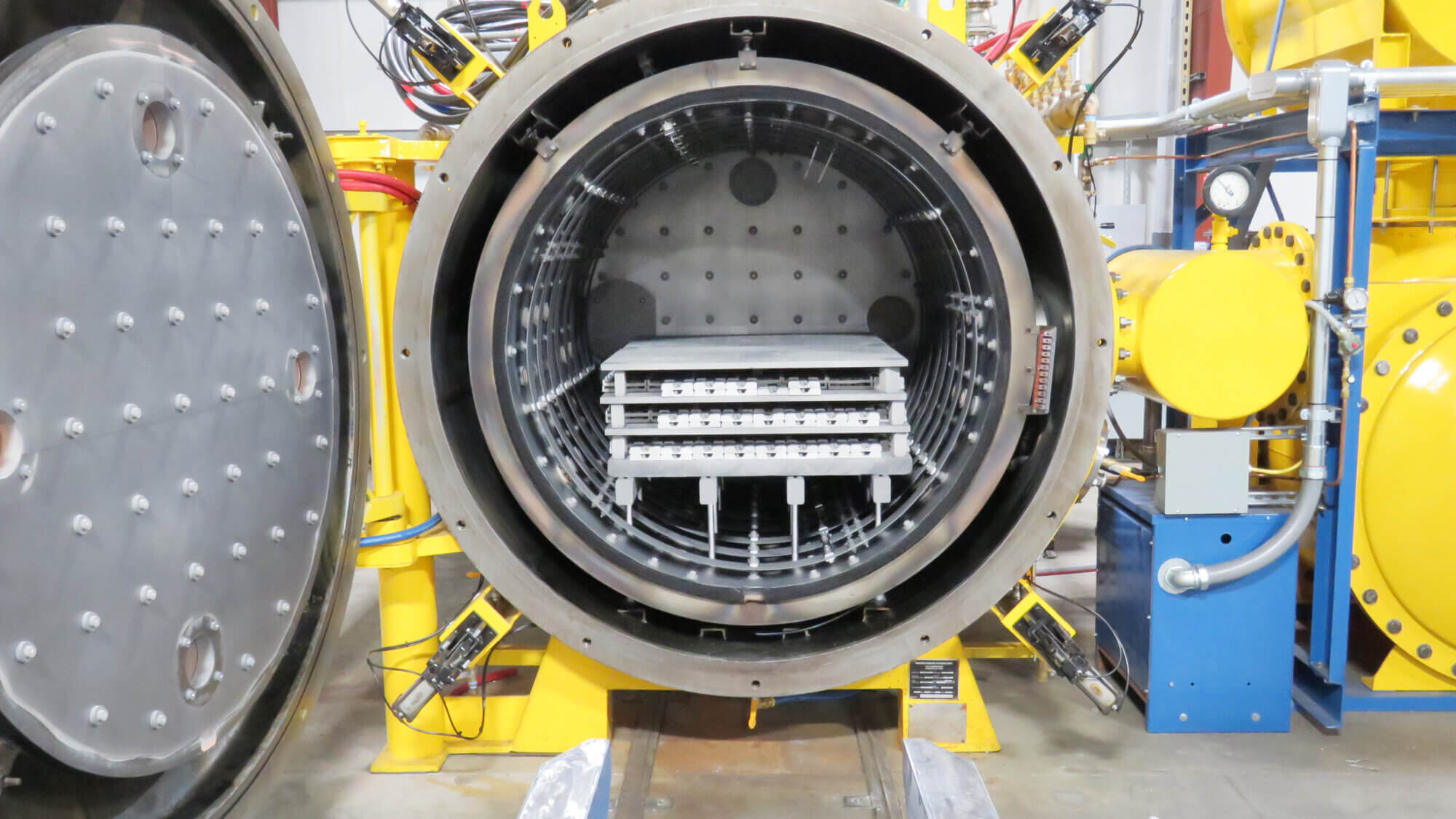
In the vacuum heat treating world, where critical components are often near-net-shape with minimal to zero stock removal, the surface aesthetics of the final product are critical to the end user. Across industries such as aerospace, medical devices, and power generation vacuum processing has become increasingly valued—not only for its precision, but also for its ability to eliminate downstream operations, ultimately saving cost and time.
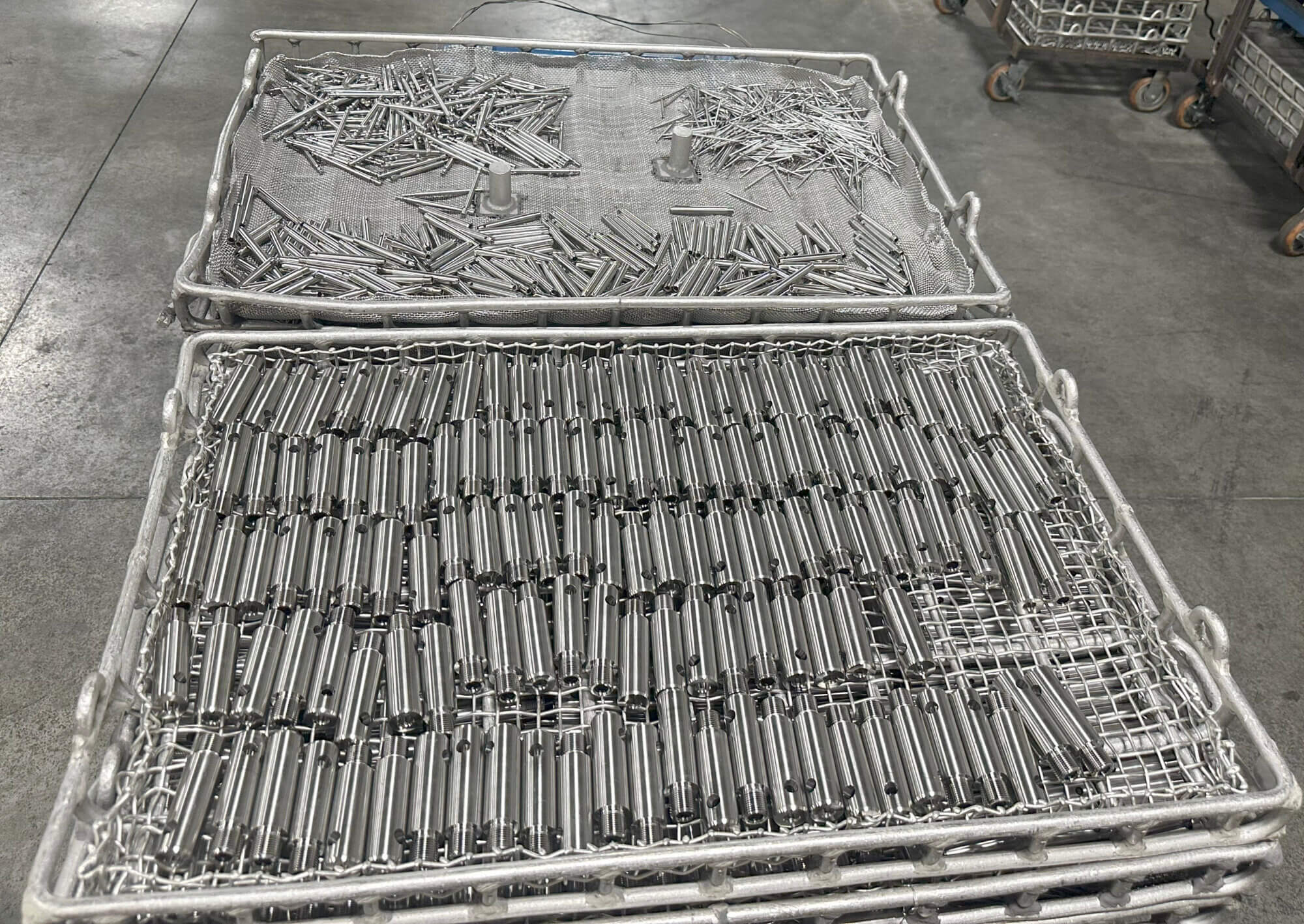
Given these benefits, customers are frequently willing to pay a premium for “bright, clean work.” To achieve these pristine results, vacuum heat treaters insist that incoming parts must be “clean and oil-free.” However, what qualifies as “clean” in a manufacturing environment rarely meets the exacting standards required for vacuum thermal processing. As a result, many commercial heat treaters adopt secondary cleaning measures—not only to ensure part cleanliness but to protect their vacuum furnaces from contamination by machining oils, lubricants, Dykem, oxidation, or polishing compounds.
Pre-Heat Treatment Cleaning: Traditional Challenges
Before any vacuum heat treatment, components must be thoroughly cleaned to remove organic and inorganic contaminants. Common practices include solvent immersion/ drying, and vapor degreasing, all designed to eliminate residues that can volatilize and redeposit within the vacuum furnace, potentially compromising part quality and damaging the vacuum furnace hot zone and cold wall.
However, these cleaning agents are often:
- Flammable
- Toxic
- Environmentally regulated
- Costly to dispose of when spent

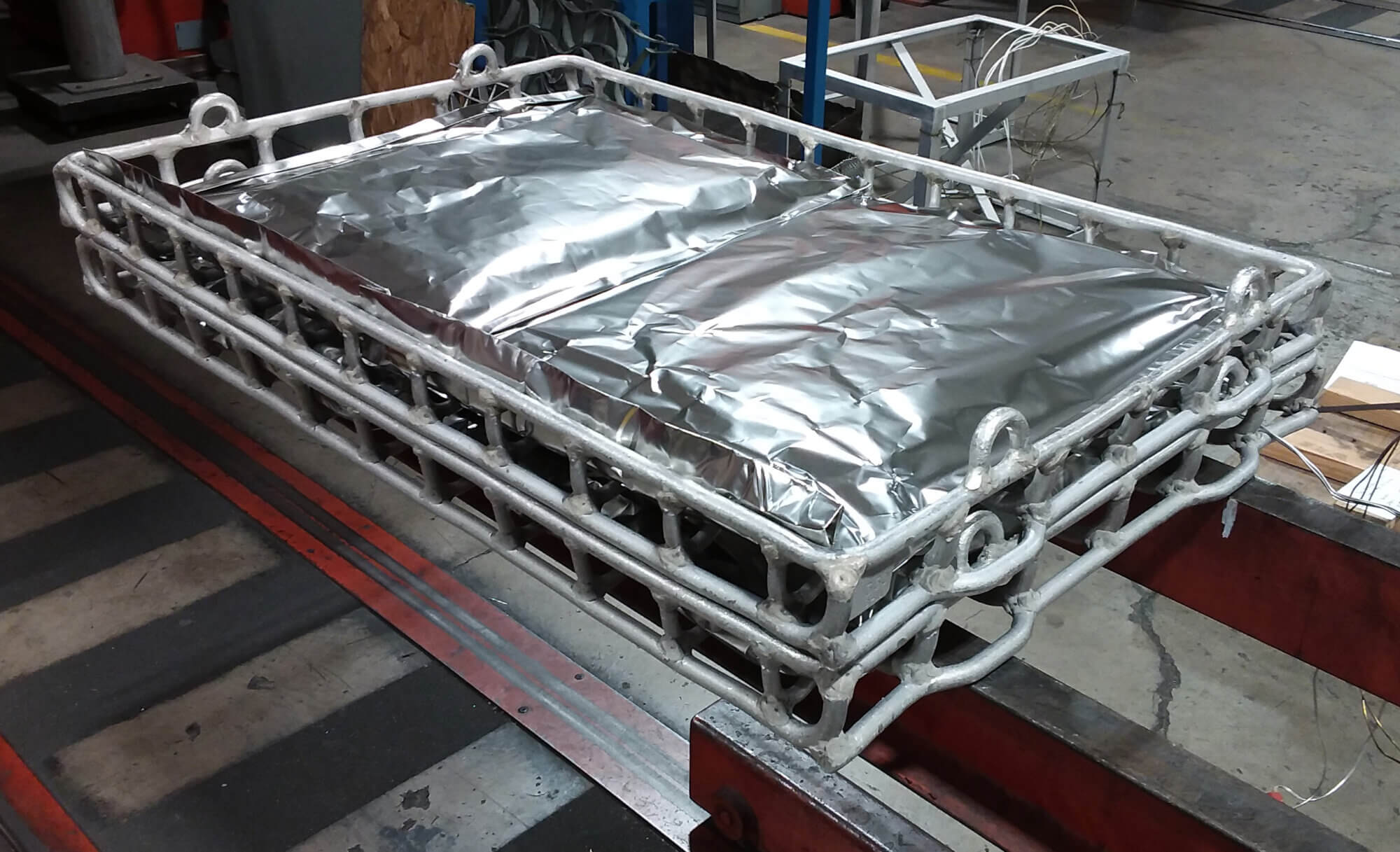
Given that commercial heat treaters process parts from thousands of upstream operations, each introducing its own set of contaminants, cross-contamination becomes a significant risk. Stainless steel foil wrapping is often used as a defensive measure, isolating parts from the furnace environment. While wrapping is often effective, this method is:
- Labor-intensive
- Expensive
- Hazardous – Even with the proper PPE, the foil edges are razor-sharp. Foil wrapping continues to be our number one health and safety concern for our valuable employees.
The MIM Furnace: A Catalyst for Innovation
Five years ago, Solar Atmospheres of Western Pennsylvania was tasked with sintering pre-sintered metal injection molding (MIM) parts at 2200°F. The binders present in these parts volatilized during processing and heavily contaminated the vacuum furnace, resulting in extensive downtime and maintenance.
Instead of constructing a traditional cold trap to capture volatiles, CEO William Jones developed a more innovative solution: a “hot trap” designed to divert and capture contaminants before they could deposit inside the furnace. This proactive adaptation has proven to drastically improve part quality while eliminating the laborious and frequent cleaning of hot zones and cold walls.
After that MIM job ended, the underutilized furnace prompted experimentation. It was proven how well this adapted furnace performed on unwanted binders. We set out to test how this same system could be adapted to remove impurities from everyday production parts. After extensive trials using non-critical PH-grade stainless steel components, a fully integrated, vacuum-based cleaning and aging cycle was perfected. This development has since replaced traditional expensive pre-cleaning methods and dangerous foil wrapping, producing consistently clean and bright 17-4 PH aerospace components.
The Self-Cleaning Vacuum Furnace: How It Works
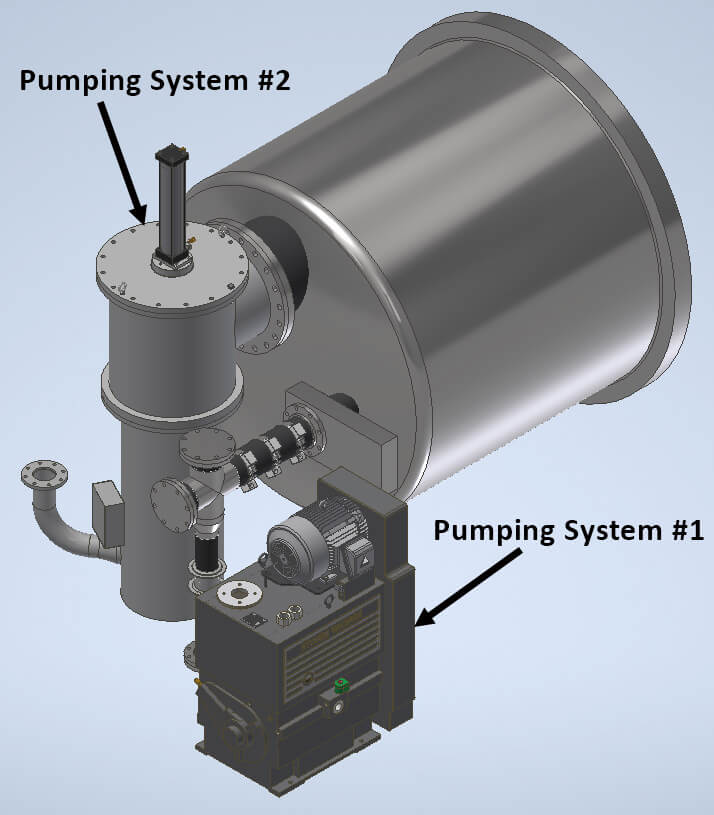
The key innovation lies in a dual roughing pump configuration:
Pumping System #1- Initial Pump-Down and Contaminant Removal:
- Components are loaded into the furnace unwrapped and uncleaned.
- Only Roughing Pump #1 is activated during the initial pump-down.
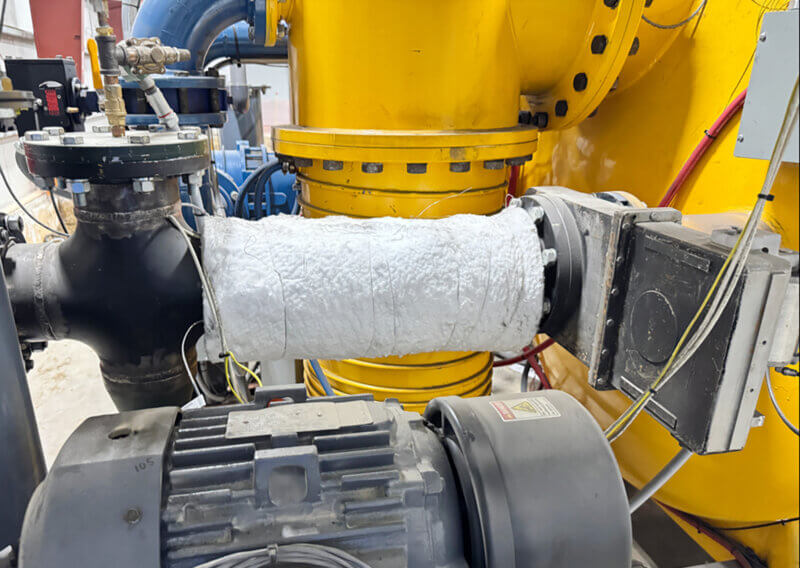
- A slow temperature ramp allows contaminants to vaporize and exit the hot zone through a heated port into Pump #1.
- Contaminants are safely trapped in the pump’s oil—the “hot trap”.
Pumping System #2 -Transition to Heat Treatment:
- After off gassing is complete, Pump #1 is isolated.
Pump #2 system, which includes a roughing pump, booster, diffusion, and holding pump, takes over.
The chamber is then brought to 1 x 10⁻⁵ Torr and the standard vacuum thermal cycle proceeds.
This two-stage pumping sequence cleans both the parts and the chamber prior to heat treatment—without ever opening the furnace door.
Results and Benefits
This newly developed vacuum furnace and process produces:
Cleaner Parts: Vacuum cleaning penetrates blind holes, threads, and keyways more effectively than traditional solvent or vapor methods.
Injury Reduction: The process eliminates the need for hazardous foil wrapping, significantly improving employee safety.
Environmental & Cost Advantages:
- Reduces or eliminates chemical solvent use.
- Cuts labor associated with pre-cleaning and wrapping.
- Reduces hazardous waste and disposal costs.
Furnace Maintenance Improvements:
- Hot zones and cold walls remain pristine—no weekly tear-downs.
- Pump #1 oil is changed biweekly, eliminating seizure concerns due to contaminated oil.
Conclusion: A Game-Changer for the Industry
Historically, part cleanliness in vacuum heat treating has been a persistent challenge—one often addressed through costly labor, chemicals, and stainless steel or titanium foil. Solar Atmospheres’ innovative dual-pump vacuum cleaning system, integrated seamlessly with a standard vacuum heat treatment cycle, redefines industry best practices.
This “self-cleaning furnace” concept not only delivers superior part finishes, but also enhances safety, reduces environmental impact, and cuts operating costs. In a world where precision, cleanliness, and sustainability matters more than ever, this advancement may very well represent the “Holy Grail” of clean vacuum processing.
Author: Bob Hill, President, Solar Atmospheres of Western PA and Michigan

As published in Heat Treat Today Magazine: https://www.heattreattoday.com/december-2025/